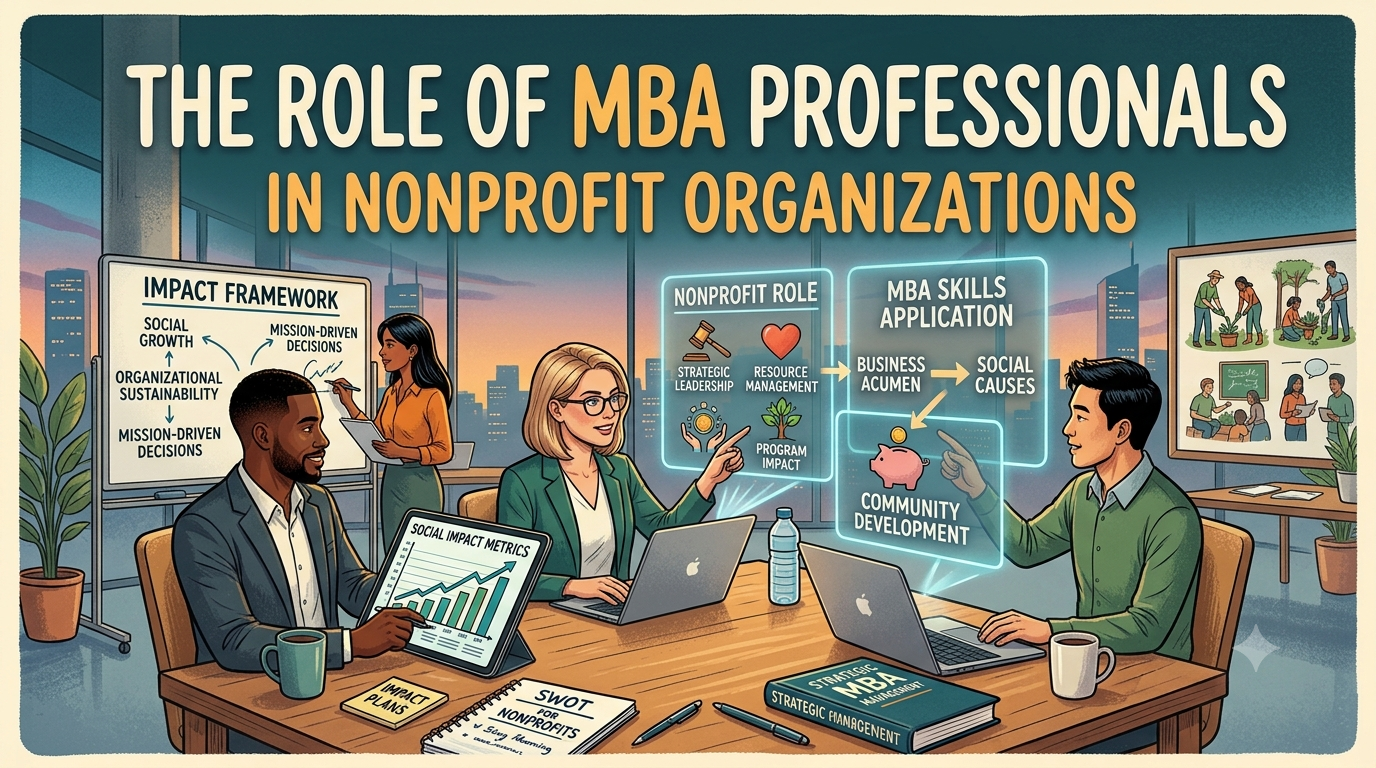
Understanding Nonprofit Organizations
Nonprofit organizations play a vital role in society by addressing needs that are often overlooked by the private sector. Unlike for-profit businesses, which aim to generate profit for shareholders, nonprofits exist to fulfill a specific mission that benefits the community at large. Their primary purpose is to serve the public interest, ranging from education and healthcare to environmental conservation and social justice.
A key characteristic of nonprofit organizations is that they reinvest any surplus revenue back into their programs and services rather than distributing it to owners or stakeholders. This reallocation of funds allows nonprofits to expand their outreach, enhance services, and ultimately achieve their mission more effectively. The absence of a profit motive differentiates these organizations, allowing them to focus solely on their objectives and the communities they serve.
Nonprofit organizations provide a diverse array of services, including food assistance, housing support, health care initiatives, and educational programs. According to the National Council of Nonprofits, there are over 1.5 million nonprofit organizations in the United States alone, collectively employing approximately 12.3 million people and contributing over $1 trillion to the economy annually. This sector not only supports jobs but also stimulates local economies by addressing societal challenges that affect vulnerable populations.
The impact of nonprofits extends beyond economic contributions; they are essential in fostering community engagement and social capital. Whether through volunteer opportunities or partnerships with local businesses, nonprofits create networks that empower individuals and strengthen community ties. For instance, organizations involved in environmental advocacy help raise awareness about climate change, while educational nonprofits strive to improve literacy rates, thereby enhancing the overall quality of life.
In summary, nonprofit organizations are essential components of our social fabric, addressing pressing issues that contribute to the well-being of communities. Their distinct purpose, commitment to social service, and economic impact underscore their significance in various sectors of society.
The MBA Advantage in Nonprofits
Individuals equipped with a Master of Business Administration (MBA) possess a unique set of skills that are increasingly valuable within nonprofit organizations. The nonprofit sector requires a range of competencies, including strategic planning, financial management, fundraising, marketing, and leadership—all areas in which MBA graduates excel. The formal education and practical experiences gained through an MBA program prepare professionals to address the complexities and dynamics of nonprofit operations.
Strategic planning is fundamental for any nonprofit organization aiming to fulfill its mission effectively. MBA-trained individuals understand how to assess organizational objectives, analyze market trends, and create actionable strategies that align with the mission of nonprofits. Their ability to set measurable goals and evaluate outcomes is crucial in a sector where resources are often limited, yet expectations for impact are high.
Financial management is another critical area where MBA graduates can contribute significantly. Many nonprofits struggle with budgeting and financial oversight, which can hamper their effectiveness. An MBA provides individuals with robust skills in financial analysis, budget development, and resource allocation, enabling them to create sustainable financial plans. These competencies are essential for ensuring that nonprofits can achieve their goals without compromising their financial integrity.
Moreover, fundraising is an area of increasing importance for nonprofits seeking to expand their programs and reach. With their knowledge of marketing strategies and network-building techniques, MBA professionals can enhance fundraising efforts through innovative campaigns and donor engagement initiatives. They bring a business perspective that can transform fundraising into a more strategic, effective process.
The trend of MBA graduates entering the nonprofit sector reflects a growing recognition of the importance of these competencies. Many professionals are drawn to the fulfilling work of nonprofit organizations, combining their business acumen with a passion for social impact. As this trend continues, the role of MBA professionals in nonprofits will likely expand, contributing to more effective organizations and greater societal benefits.
Key Skills for Nonprofit Leaders
The effectiveness of nonprofit organizations largely depends on the leadership capabilities of their professionals. Successful nonprofit leaders must possess a diverse set of critical skills and competencies that enable them to navigate the unique challenges characteristic of the nonprofit sector. One of the foremost skills is emotional intelligence, which encompasses the ability to understand and manage one’s emotions while being attuned to the feelings and needs of others. This skill is essential, as leaders frequently interact with a variety of stakeholders, including staff, volunteers, donors, and community members, requiring a nuanced approach to communication and relationship-building.
Stakeholder engagement is another crucial skill for nonprofit leaders. Engaging with various stakeholders, from community members to government officials, necessitates a comprehensive understanding of their diverse perspectives and interests. This skill allows leaders to foster partnerships, secure funding, and receive valuable input that can steer organizational direction. Effectively managing these relationships not only enhances the organization’s reputation but also strengthens its ability to achieve its mission.
In addition to emotional intelligence and stakeholder engagement, resource mobilization stands out as a vital competency for nonprofit leaders. The ability to identify, secure, and allocate resources—be it financial, human, or physical—enables organizations to implement their programs effectively. Leaders must develop strategies for fundraising, create compelling cases for support, and maintain transparency with donors, thereby building lasting trust and ensuring sustainability.
Finally, program evaluation is a fundamental skill that nonprofit leaders must develop. Leaders should possess the ability to assess and measure the impact of their programs rigorously. By utilizing data-driven insights, they can make informed decisions and demonstrate accountability to stakeholders, ultimately contributing to the organization’s long-term success. Each of these skills plays a pivotal role in enhancing the capacity of nonprofit leaders to address the distinctive realities they face within their organizations.
Case Studies: Successful Nonprofit Organizations Led by MBA Graduates
Throughout the nonprofit sector, numerous organizations have thrived under the leadership of individuals with MBA credentials. These leaders bring a wealth of strategic thinking, business acumen, and operational expertise that is invaluable in advancing social missions. One prominent example is Teach For America, which has transformed educational access across the United States. Founded by Wendy Kopp, an MBA graduate from Princeton University, the organization effectively recruits and trains new teachers in underserved communities. Kopp’s strategic vision and comprehensive operational strategies have resulted in significant improvements in student outcomes, showcasing how MBA-trained leaders can effectively tackle complex societal issues.
Another noteworthy case is Charity: Water, a nonprofit organization focused on providing clean drinking water to developing countries. Scott Harrison, its founder and a former club promoter, utilized his extensive knowledge gained during his MBA studies at the New York University Stern School of Business to innovate fundraising approaches and operational efficiencies. The organization has raised millions through crowd-funding campaigns and partnerships, demonstrating the profound impact of skilled leadership in a nonprofit setting.
Additionally, the American Red Cross has benefitted from the leadership of MBA professionals, including former CEO Gail McGovern, who transformed the organization during her tenure. Under her guidance, the Red Cross has enhanced its disaster response strategies, increased fundraising efforts, and improved volunteer management. By applying principles of strategic management and financial oversight, McGovern exemplified how MBA-trained leaders can steer nonprofit organizations towards greater transparency and effectiveness.
These case studies underscore the essential role that MBA graduates play in fostering growth and sustainability within nonprofit organizations. Their effective leadership strategies, innovative approaches, and commitment to social change highlight the profound impact that business education can have in the nonprofit sector, ultimately inspiring future leaders in their endeavors.
Challenges Faced by Nonprofit Organizations
Nonprofit organizations play a critical role in society by addressing various social, cultural, and environmental issues. However, they often encounter numerous challenges that can hinder their effectiveness and sustainability. One of the primary hurdles is funding limitations. Nonprofits frequently rely on donations, grants, and governmental support, all of which can be unpredictable and insufficient. Fluctuations in funding sources make it challenging for these organizations to maintain their operations, implement long-term strategies, and retain staff. Consequently, a lack of financial resources can lead to program underfunding, staff layoffs, and even organizational closure.
Another significant challenge faced by nonprofit organizations is the need for strategic advocacy. While advocacy is crucial for raising awareness and influencing policy, nonprofits often struggle to attract the necessary attention and support from stakeholders. Many organizations may lack the expertise in designing and executing advocacy campaigns, which limits their ability to effect change in public policy or mobilize community support. This results in missed opportunities to advance their missions and protect the interests of the communities they serve.
Additionally, competition for resources poses yet another obstacle. With many nonprofits addressing similar issues, the competition for grants, donors, and other resources can be intense. This environment not only diminishes the financial support available but can also lead to fragmentation in efforts aimed at solving social problems. In this landscape, collaboration and partnership become essential for maximizing impact and resource utilization.
However, MBA graduates can bring innovative solutions and strategic thinking to address these challenges effectively. By applying the principles of strategic management, financial acumen, and organizational behavior, they can help nonprofits streamline operations, diversify funding streams, and enhance advocacy efforts. Such strategic interventions are vital for ensuring the sustainability and effectiveness of nonprofit organizations in achieving their missions.
Networking Opportunities for MBA Graduates in Nonprofits
Networking is an essential aspect of professional development for MBA graduates seeking to make an impact in nonprofit organizations. This sector, while distinct from the corporate world, offers numerous opportunities for building valuable relationships that can facilitate career advancement and resource sharing. One of the most effective ways to network is through professional associations dedicated to nonprofit management, such as the Association of Fundraising Professionals (AFP) and the National Council of Nonprofits. These organizations provide platforms for members to connect with fellow professionals, participate in workshops, and access a wealth of resources tailored to the nonprofit sector.
In addition to associations, attending conferences specifically focused on nonprofit leadership can be an excellent way for MBA graduates to expand their professional circles. Events like the Nonprofit Leadership Conference and the Network for Good’s annual gathering bring together industry experts, innovators, and emerging professionals. These conferences not only facilitate face-to-face networking but also provide opportunities for MBA graduates to engage in meaningful discussions about current trends and challenges in the nonprofit field. Workshops and panel discussions often lead to connections that can last beyond the event itself, fostering collaborations that benefit both the professionals and their organizations.
With the growth of digital platforms, online networking has also emerged as an effective tool for MBA graduates in the nonprofit sector. Websites such as LinkedIn allow individuals to connect with peers, join interest-based groups, and share insights about the nonprofit environment. Webinars and virtual meetups have become increasingly popular, enabling participants to engage in discussions from the comfort of their own homes. By harnessing these online resources, MBA graduates can forge connections with leaders in the nonprofit sector, further enhancing their career opportunities and contributions to their chosen field.
The Importance of Ethical Leadership in Nonprofits
Ethical leadership is a cornerstone of effective nonprofit organizations, directly influencing the overall culture and operational success. Leaders within these institutions set the tone, guiding not only strategic decisions but also the moral compass of the organization. Ethical leadership promotes transparency, accountability, and integrity, which are essential in establishing trust with stakeholders, including donors, volunteers, and the communities served. The role of MBA professionals is increasingly crucial in this regard, as their training often emphasizes ethical frameworks and decision-making in business environments.
Graduates of MBA programs bring a wealth of knowledge and skills that can shape an ethical culture in nonprofit organizations. Their education typically covers the intricacies of corporate governance, responsible resource management, and the implications of ethical dilemmas. MBA professionals can implement best practices in organizational conduct, ensuring that ethical considerations are interwoven into every strategic initiative. By fostering an environment where ethical decision-making is prioritized, these professionals can enhance the effectiveness of the nonprofit’s mission.
Ethical failures can have dire consequences for nonprofit organizations, potentially jeopardizing their missions and tarnishing their reputations. A breach of ethical standards may lead to a loss of funding, diminished public trust, and decreased volunteer engagement, thereby undermining the organization’s ability to fulfill its objectives. Furthermore, such failures can create a ripple effect within the sector, diminishing public confidence in nonprofit organizations as a whole. Thus, the emphasis on ethical leadership becomes paramount in safeguarding the integrity and sustainability of these vital institutions.
Ultimately, the integration of ethical leadership within nonprofits is essential for fulfilling their missions effectively. MBA professionals are uniquely positioned to lead these efforts, fostering an environment that champions ethical practices while navigating the complexities inherent in the nonprofit landscape.
Future Trends in the Nonprofit Sector
The nonprofit sector is undergoing significant transformations driven by various emerging trends that are reshaping how organizations operate. One of the most prominent shifts is the digital transformation, which has become essential for nonprofits to connect with their stakeholders and enhance their operational efficiency. Embracing technology allows these organizations to streamline communications, improve donor engagement, and analyze data effectively to inform decision-making processes. As digital tools and platforms continue to evolve, MBA professionals equipped with a strong understanding of these technologies will play a crucial role in guiding nonprofits through this transition.
Another significant trend in the nonprofit landscape is the rise of social entrepreneurship. This innovative approach combines the mission-driven nature of nonprofits with entrepreneurial strategies to address social issues. Through social entrepreneurship, organizations are creating sustainable business models that generate revenue while achieving a social impact. MBA graduates can leverage their business acumen to develop and implement these models, fostering a culture of innovation within nonprofit organizations and ultimately driving greater community benefit.
Additionally, impact investing is becoming increasingly vital within the nonprofit sector. This trend involves investment made with the intention of generating measurable social or environmental impacts alongside a financial return. More nonprofit organizations are seeking funding sources that align with this model, as it allows them to maintain their missions while ensuring financial sustainability. MBA professionals can assist in identifying these opportunities, crafting investment strategies, and measuring outcomes, thus enabling organizations to attract and utilize resources more effectively.
As the nonprofit sector continues to evolve, the integration of these trends will necessitate a workforce that is adaptable and guided by innovative frameworks. MBA graduates, with their diverse skill sets, will undoubtedly be instrumental in leading both traditional nonprofits and social enterprises toward a more dynamic and impactful future.
Conclusion: The Path Forward for MBA Graduates in Nonprofits
In reflecting upon the pivotal role that MBA professionals can play within nonprofit organizations, it becomes evident that their unique skill set is instrumental in driving social change and enhancing organizational effectiveness. Throughout this discussion, we have seen that MBAs bring valuable expertise in strategic planning, financial management, and organizational leadership—all crucial elements that contribute significantly to the sustainability and growth of nonprofit entities. Their training equips them not only with theoretical knowledge but also practical tools that can be employed to tackle complex social issues.
Moreover, MBA graduates possess a distinctive capacity to merge business acumen with a passion for social causes. This fusion allows them to approach the challenges faced by nonprofits with innovative solutions, ultimately leading to more impactful initiatives. The integration of data-driven decision-making and performance metrics presents these professionals with opportunities to optimize resources, thereby ensuring that mission-driven objectives are met effectively. Furthermore, strong networking skills enable them to build partnerships that can amplify the reach and effectiveness of nonprofit programs.
As the nonprofit sector continues to evolve amidst changing societal needs, there is an increasing demand for individuals who can navigate these landscapes with agility and foresight. For aspiring MBA graduates, this represents a call to action. Engaging with nonprofits during academic programs through internships, volunteering, or consultancy projects can foster a deeper understanding of the sector and highlight pathways to making meaningful contributions. By harnessing their expertise to advance the missions of nonprofits, MBA professionals stand to create substantial socio-economic change.
In conclusion, the intersection of business education and nonprofit work offers a fulfilling avenue for MBA graduates. As they embark on careers that merge purpose with profession, their innovative strategies and leadership qualities will undoubtedly play a crucial role in shaping the future of nonprofit organizations.