Introduction to Predictive Analytics
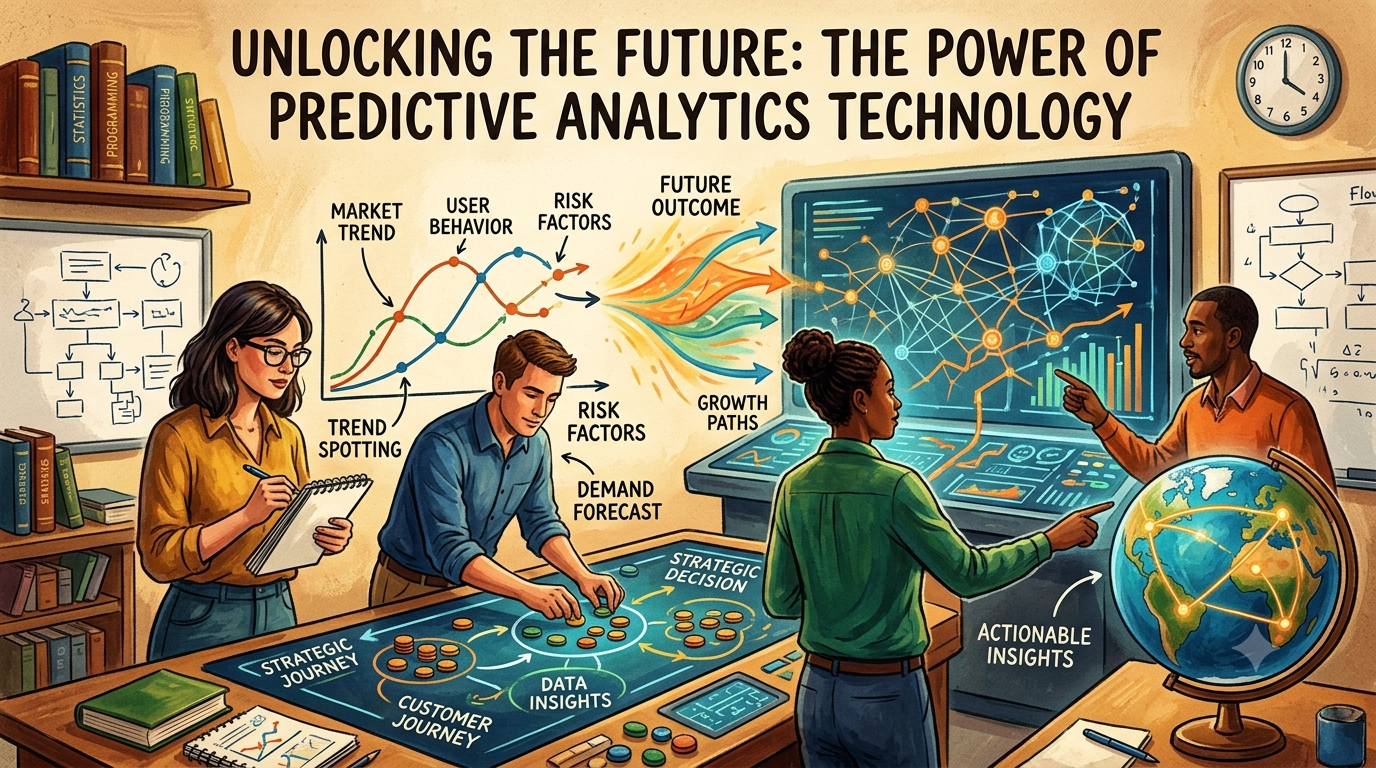
Predictive analytics is a branch of advanced analytics that utilizes various statistical algorithms and machine learning techniques to analyze historical data. By examining past patterns and trends, predictive analytics helps anticipate future outcomes. This process involves the use of mathematics and computer science to model data behavior, providing organizations with insight into potential risks and opportunities. Companies can leverage these insights to make proactive decisions and devise strategies that align with observed trends.
The importance of predictive analytics in modern data analysis cannot be overstated. As organizations generate vast amounts of data, the ability to sift through it and extract actionable insights becomes paramount. Predictive analytics offers businesses the capability to enhance their operational efficiency, optimize marketing strategies, and improve customer relationships. By predicting customer behavior, for example, companies can tailor their services to meet the needs of their clientele more effectively, thereby enhancing customer satisfaction and loyalty.
At its core, predictive analytics transforms data into strategic assets. It not only helps in forecasting potential events but also supports decision-making processes across various domains, including finance, healthcare, retail, and manufacturing. By employing various predictive models, such as regression analysis, time series forecasting, and classification algorithms, organizations can gain a nuanced understanding of trends and behaviors within their industry.
The integration of predictive analytics into business operations ultimately equips organizations with a competitive edge. As companies continue to embrace digital transformation, predictive capabilities will play an integral role in shaping future business landscapes. By enabling better foresight and informed strategies, predictive analytics fosters a more agile approach to navigating the complexities of today’s market environment.
Key Components of Predictive Analytics
Predictive analytics is a multifaceted discipline that relies on several essential components, each playing a critical role in deriving actionable insights from data. The primary components include data collection, data management, statistical analysis, and modeling. Together, these elements create a robust framework for forecasting future events based on historical patterns.
The first crucial component, data collection, involves the systematic gathering of information from various sources, which may include databases, transactions, social media, and IoT devices. The breadth and depth of this collected data significantly impact the accuracy of predictions. Effective data collection ensures that the right data is gathered to support specific analytical goals, thus laying a solid foundation for subsequent analysis.
Following data collection, data management comes into play. This component encompasses organizing, storing, and maintaining data integrity. High-quality data is paramount; if the data is flawed, incomplete, or inconsistent, any predictive model built on it will likely produce misleading results. Consequently, data management practices, such as cleansing and validating data, are essential for enhancing data quality.
Next, statistical analysis serves as a critical tool in predictive analytics. By applying various statistical techniques, analysts can identify trends, correlations, and patterns within the data. This analysis forms the basis for making informed predictions about future outcomes. Different statistical models may be utilized, depending on the nature of the data and the specific questions that need to be answered.
Finally, the modeling component involves creating algorithms and statistical models to make forecasts based on the insights gleaned from data analysis. These models can vary from simple linear regressions to complex machine learning algorithms, depending on the complexity of the dataset and the precision required. By integrating these key components, organizations can effectively harness predictive analytics technology to drive informed decision-making.
Types of Predictive Analytics Techniques
Predictive analytics encompasses various techniques, each offering unique strengths and applications. Understanding these techniques is crucial for selecting the appropriate method for specific analytical goals. One of the most widely utilized techniques is regression analysis. This method is used to determine the relationship between dependent and independent variables, providing insights into how changes in one variable can influence another. Regression is particularly effective in scenarios such as financial forecasting and risk assessment, where establishing quantifiable relationships is vital.
Another significant technique is time series analysis, which focuses on analyzing data points collected or recorded at specific time intervals. This method is particularly beneficial in fields like economics and environmental science, as it helps predict future values based on historical data patterns. For example, retailers can use time series analysis to forecast sales trends and stock requirements, enabling more informed inventory management.
Neural networks represent a more complex predictive analytics technique, which mimics the human brain’s structure and function. By using interconnected nodes, neural networks can identify intricate patterns and make predictions based on large datasets. They are particularly powerful in sectors such as healthcare, where they can assist in diagnosing diseases or predicting patient outcomes by analyzing vast amounts of medical data.
Lastly, decision trees are a valuable predictive analytics technique known for their intuitive structure. This method visually represents data, allowing for effective decision-making based on various outcomes. They are commonly used in marketing to segment consumers based on their purchasing behaviors, enabling businesses to tailor their strategies for different customer profiles effectively.
Choosing the right predictive analytics technique depends on the specific problem and data available. Each method has its strengths and applications, highlighting the versatility and essential role of predictive analytics in various domains.
Applications of Predictive Analytics Across Industries
Predictive analytics technology has permeated various industries, offering valuable insights that enhance decision-making and operational efficiency. Primarily utilized in finance, predictive analytics helps institutions assess risks, forecast market trends, and detect fraudulent activities. For instance, banks employ sophisticated algorithms to analyze transaction patterns, enabling them to identify anomalies indicative of fraud. This proactive approach not only safeguards assets but also strengthens customer trust.
In the healthcare sector, predictive analytics plays a pivotal role in patient care and resource management. Hospitals tap into vast amounts of patient data to predict readmission rates and optimize treatment pathways. For example, a hospital might analyze historical data to identify patients at high risk for readmission, allowing practitioners to tailor interventions that reduce these chances. By leveraging these insights, healthcare providers can enhance patient outcomes and allocate resources more effectively.
The marketing industry has also embraced predictive analytics, assisting companies in crafting personalized customer experiences. Businesses analyze customer behavior, preferences, and demographic information to forecast future buying patterns. For instance, e-commerce platforms utilize predictive models to recommend products based on previous purchases, thereby increasing conversion rates. By understanding consumer trends, marketers can design targeted campaigns that resonate with their audiences.
Lastly, in the manufacturing sector, predictive analytics technology helps optimize operations and reduce downtime. Manufacturers use predictive maintenance techniques, leveraging sensors and historical data to anticipate equipment failures before they occur. A leading automotive manufacturer implemented predictive analytics to enhance the lifecycle management of their machinery, resulting in a significant reduction in maintenance costs and improved production efficiency. This approach exemplifies how leveraging data can lead to substantial operational improvements in manufacturing processes.
Across these diverse sectors, predictive analytics has emerged as a transformative tool, enabling businesses to make informed decisions that directly impact their success and sustainability.
Benefits of Implementing Predictive Analytics
Predictive analytics technology presents numerous benefits for organizations seeking to enhance their operational efficiency and decision-making capabilities. One of the most significant advantages is the improvement in decision-making processes. By leveraging historical data and advanced algorithms, organizations can gain insights into future trends and customer behaviors, enabling them to make informed decisions that align closely with market demands.
Furthermore, implementing predictive analytics can lead to a significantly improved customer experience. By analyzing customer data, businesses can identify preferences, anticipate needs, and personalize offerings. This tailored approach not only fosters customer loyalty but also encourages repeat business, ultimately contributing to enhanced satisfaction and retention rates.
Cost savings emerge as another vital benefit of predictive analytics. Through the identification of efficiencies and optimization of resources, organizations can minimize waste and streamline operations. For example, by predicting equipment failures before they occur, a company can proactively initiate maintenance, thereby preventing costly downtimes and repairs.
Risk management is also greatly enhanced with the utilization of predictive analytics. Organizations can anticipate potential risks by analyzing trends and anomalies within their data. This foresight allows them to develop proactive strategies to mitigate risks, ensuring business continuity and protecting profitability. Additionally, companies can make smarter financial decisions by forecasting market changes and adjusting their strategies accordingly.
Finally, the implementation of predictive analytics bestows a competitive edge in the market. Organizations that harness the power of data-driven insights can respond more swiftly to industry changes and customer needs, positioning themselves as leaders in their respective fields. As the business landscape continues to evolve, leveraging predictive analytics will be paramount for those looking to excel and stay ahead in a competitive environment.
Challenges in Predictive Analytics
As organizations increasingly adopt predictive analytics technology, several challenges have emerged that can impede successful implementation and operational efficacy. One of the foremost issues relates to data privacy. With rising concerns over personal data protection, regulatory frameworks like the General Data Protection Regulation (GDPR) impose stringent guidelines on how data can be obtained, stored, and analyzed. It is imperative for organizations to ensure compliance with these regulations while harnessing the power of predictive analytics, or else they risk facing heavy penalties and damage to their reputations.
Another significant challenge is data integration. Effective predictive analytics relies on pooling data from various sources, including structured and unstructured data. However, differing data formats, storage solutions, and quality levels can create obstacles in achieving comprehensive data integration. Organizations must deploy robust data management strategies and tools that facilitate seamless integration to enhance the accuracy and reliability of their predictive models.
Model accuracy also presents a challenge in the realm of predictive analytics. The insights generated by predictive models are only as reliable as the data they are built upon. If historical data is flawed or insufficient, it can lead to inaccurate predictions that jeopardize decision-making processes. Organizations should focus on employing sophisticated algorithms and regularly updating their models with current data to improve predictive accuracy.
Lastly, the need for skilled personnel to manage predictive analytics initiatives cannot be overstated. The technology landscape is evolving rapidly, and there is a growing demand for data scientists and analysts who possess both technical expertise and domain knowledge. Organizations may face difficulties in attracting qualified talent or may need to invest in training existing staff to bridge the skills gap. Developing a framework to nurture talent and encouraging continuous learning within the organization can help address this challenge effectively.
Tools and Technologies for Predictive Analytics
Predictive analytics has gained significant momentum, driven largely by advancements in technology and the availability of various software tools tailored for data analysis. Among the most prominent software platforms in this space are SAS, R, and Python. SAS stands out due to its robust analytics capabilities and extensive suite of tools designed for data management, statistical analysis, and predictive modeling. Its user-friendly interface and comprehensive documentation make it a preferred choice for organizations that prioritize operational efficiency and reliability in their analytics efforts.
R, on the other hand, is an open-source programming language widely recognized for its statistical computing and graphical output. With a vast array of packages specifically designed for predictive analytics, R provides users with the flexibility to implement sophisticated statistical models and machine learning algorithms. This open-source nature allows for continuous community contributions, resulting in a dynamic tool that evolves to meet the needs of data scientists and analysts.
Python has emerged as a versatile language for predictive analytics, especially with libraries like pandas, NumPy, and scikit-learn which simplify data manipulation and machine learning tasks. Its simplicity and readability make Python an excellent choice for both beginners and experienced statisticians. The growing ecosystem of libraries, combined with the integration of Python with web applications, enhances its capability for deploying predictive models in real-time environments.
Additionally, machine learning frameworks such as TensorFlow and PyTorch are essential for developing complex predictive models. These frameworks provide powerful tools for creating neural networks and deep learning algorithms tailored for a wide range of applications, from natural language processing to image recognition. Understanding the capabilities and limitations of these tools is critical for effectively leveraging predictive analytics in diverse business contexts.
Future Trends in Predictive Analytics
The landscape of predictive analytics is rapidly evolving, influenced significantly by technological advancements. One of the foremost trends is the integration of artificial intelligence (AI) into predictive modeling. AI enhances the capabilities of predictive analytics by automating complex data processing tasks, enabling organizations to derive insights at an unprecedented speed and accuracy. This not only improves decision-making but also allows businesses to anticipate future trends more effectively by identifying patterns that human analysts might overlook.
Another critical development is the shift towards real-time analytics. Organizations are recognizing the importance of timeliness in data-driven decision-making. Real-time analytical capabilities enable businesses to access and analyze data as it happens, facilitating proactive measures rather than reactive responses. This trend is particularly impactful in industries such as finance, healthcare, and retail, where timely insights can significantly influence operational efficiency and customer satisfaction.
The growth of automated predictive modeling also stands out as a significant trend in the realm of predictive analytics. Automated systems can create predictive models with minimal human intervention, making it easier for organizations to harness data for strategic purposes. This automation demystifies the predictive modeling process, enabling non-expert users to access predictive analytics and leverage its benefits. Consequently, businesses can scale their analytical efforts without necessarily expanding their analytics teams.
Looking ahead, the convergence of these trends will likely transform various industries. For instance, in healthcare, predictive analytics equipped with AI algorithms can forecast patient outcomes and optimize treatment plans, ultimately enhancing patient care. Similarly, in marketing, real-time analytics can drive personalized experiences for consumers by predicting their preferences and behaviors. As these technologies continue to mature, their integration will present businesses with considerable opportunities to leverage data analytics to gain a competitive edge in their respective fields.
Conclusion: The Path Ahead
In an era characterized by an explosion of data, predictive analytics technology has emerged as a cornerstone for organizations seeking to thrive in a competitive landscape. The significance of these advanced analytical techniques cannot be overstated; they enable businesses to harness the power of historical data to forecast future trends and behaviors. By leveraging predictive models, organizations can make informed decisions that enhance operational efficiency and drive revenue growth.
As companies navigate the complexities of a data-driven world, the adaptation and integration of predictive analytics become crucial. These technologies not only support existing business processes but also facilitate innovative approaches to problem-solving and strategy formulation. From customer segmentation to risk management, the applications of predictive analytics are vast and varied. Therefore, organizations that fail to embrace these advancements risk falling behind their competitors in an increasingly fast-paced market.
To capitalize on the potential offered by predictive analytics, businesses should start by evaluating their current data infrastructure and analytical capabilities. Investing in the right technology and talent will empower organizations to extract actionable insights from their data. Furthermore, fostering a culture of data literacy across all levels of the organization will ensure that stakeholders are equipped to interpret and utilize analytics effectively.
As we look to the future, it is clear that predictive analytics will continue to play an integral role in shaping business strategies. Organizations are encouraged to consider how they can implement predictive technologies within their operations to better anticipate market shifts and customer needs. By doing so, they position themselves not only for immediate gains but also for sustained success in an evolving digital landscape.