What is 5G Technology?
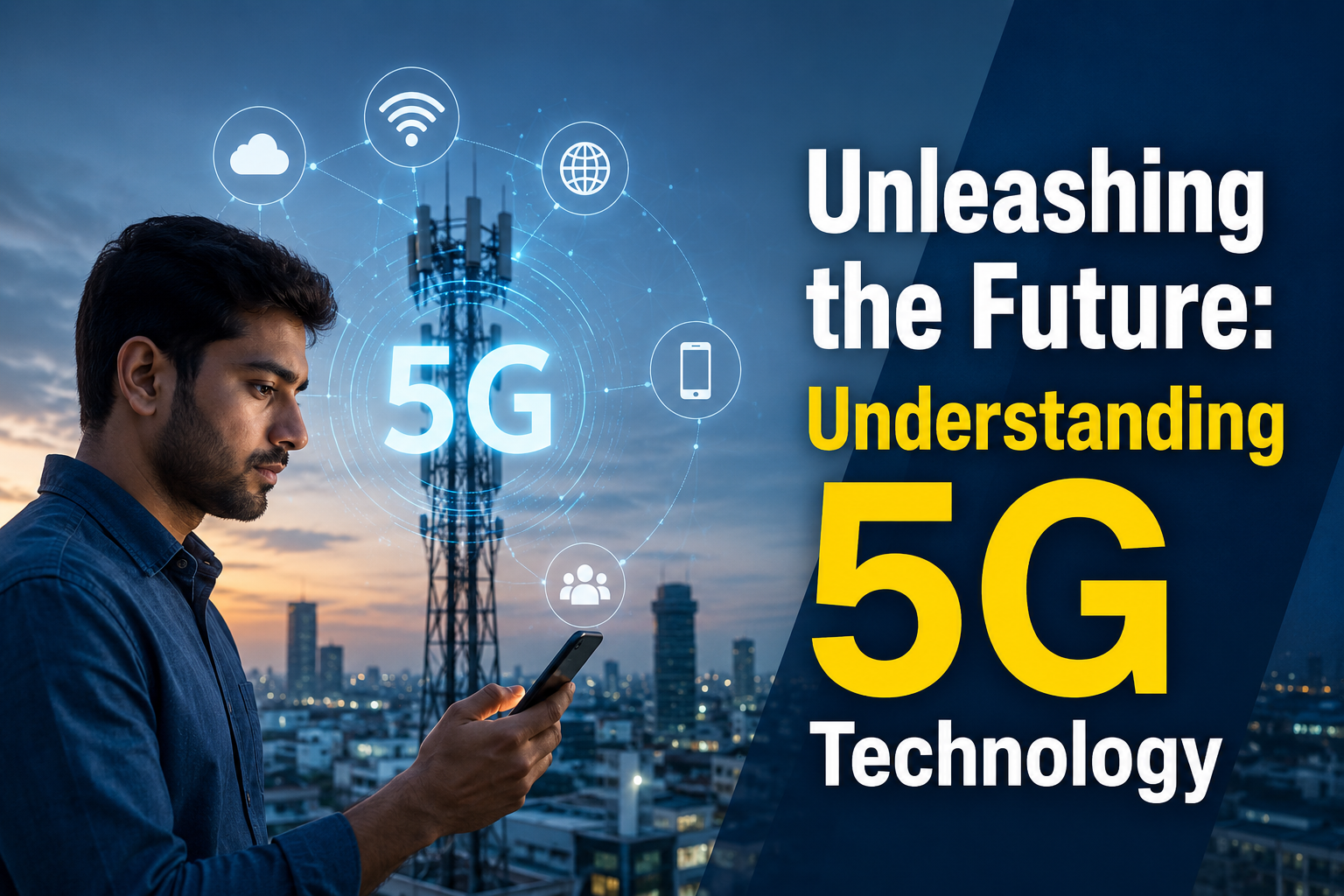
5G technology represents the fifth generation of mobile networks, signaling a significant leap forward from its predecessors, namely 1G through 4G. This new mobile standard is crafted to address the evolving demands of connectivity, which have surged as more devices join the Internet of Things (IoT). Unlike earlier generations, which primarily focused on improving call quality and basic mobile internet functions, 5G is designed to deliver exceptional data speeds, reduced latency, and enhanced capacity for simultaneous connections.
At the core of 5G technology lies its remarkable ability to provide faster data transmission rates, achieving theoretical peak speeds up to 10 gigabits per second. This speed is vastly superior to that of 4G and promises to facilitate applications that require large amounts of data transfer, such as augmented reality, virtual reality, and ultra-high-definition streaming. The reduction in latency, which refers to the time taken for data to travel between devices, is another critical aspect of 5G. With latencies as low as one millisecond, 5G enables near-instantaneous communication, making it ideal for applications that depend on real-time feedback, including gaming and autonomous driving.
Moreover, 5G technology supports a tremendous increase in the number of devices that can connect to the network simultaneously. This characteristic is vital as the IoT continues to expand, allowing an unprecedented number of devices, from home appliances to industrial sensors, to be connected and communicate seamlessly. In contrast to the previous generations, which were limited by their bandwidth and capacity, 5G’s architecture takes advantage of advanced technologies such as Massive MIMO (Multiple Input Multiple Output) and millimeter waves, ensuring that it can sustain a highly connected ecosystem.
Overall, 5G technology is reshaping the landscape of telecommunications, positioning itself to meet the future’s demands for connectivity and innovation, distinguishing itself distinctly from prior generations in terms of speed, latency, and capacity.
How 5G Works
5G technology represents the next generation of wireless communication, offering numerous enhancements over its predecessor, 4G. At the core of 5G’s functionality is its utilization of a wider array of radio frequencies. 5G networks employ low-band, mid-band, and high-band frequencies—each serving different use cases. Low-band frequencies provide extensive coverage and better penetration through obstacles, while mid-band frequencies strike a balance between capacity and speed. The high-band frequencies, also known as millimeter waves, allow for ultra-fast data transmission, albeit over shorter distances.
The deployment of small cell technology is another key feature of 5G networks. Unlike traditional macro cell towers, which cover large areas, small cells are installed in more densely populated regions, such as urban settings. These small cells help to alleviate congestion by distributing the network load more effectively, ensuring that users experience consistent, high-speed connectivity. This design is crucial as it allows 5G to support a greater number of simultaneous connections while minimizing latency.
A feature that distinguishes 5G from earlier generations is network slicing. This technique enables the creation of multiple virtual networks on a single physical 5G infrastructure. Network operators can tailor each slice to meet the specific requirements of different applications or services, providing optimized performance based on user needs. For instance, one slice can be dedicated to emergency services, while another caters to high-definition video streaming, each maintaining its own security and quality of service.
Finally, the infrastructure underpinning 5G consists of advanced antennas and base stations designed to handle the demands of these new frequencies and functionalities. Massive MIMO (Multiple Input Multiple Output) technology, employed in base stations, enables greater data throughput by using multiple antennas to send and receive more data simultaneously. Altogether, these elements coalesce to create a more responsive and capable wireless communication system that powers the future of connectivity.
Impact of 5G on Various Industries
5G technology represents a significant leap in wireless communication, offering enhanced speed, reduced latency, and increased connectivity. Its transformative effects are being felt across multiple sectors, paving the way for groundbreaking innovations that promise to reshape industries. Notably, the healthcare sector is witnessing a revolution through telemedicine, which allows for real-time consultations between patients and medical professionals, regardless of location. This is particularly beneficial in remote areas, where access to healthcare services may be limited. With 5G, high-definition video consultations become feasible, enabling doctors to diagnose and treat patients more effectively.
In the realm of transportation, 5G empowers the development of smart cities and autonomous vehicles. The low latency of 5G networks allows for instant communication between vehicles and infrastructure, enhancing traffic management and improving safety. For instance, vehicles can receive immediate updates about traffic conditions, enabling better route planning and reducing congestion. Additionally, autonomous vehicles benefit from real-time data exchange, which is essential for navigation and hazard detection.
The entertainment industry is also being transformed by 5G technology. Enhanced streaming experiences are now possible, allowing users to watch high-definition content without buffering. With the growth of augmented reality (AR) and virtual reality (VR), 5G can support immersive experiences that were previously limited by bandwidth constraints. This opens opportunities for gaming and interactive media, delivering richer content to consumers in ways that were not feasible with older wireless technologies.
Lastly, agriculture is experiencing advancements through precision farming enabled by 5G. Farmers can utilize IoT devices connected to 5G networks for real-time monitoring of crop conditions, soil health, and weather patterns. This data allows for informed decision-making, optimizing resource use and enhancing yields. The integration of these technologies demonstrates the profound impact of 5G on agriculture, promoting sustainability and efficiency.
5G and Internet of Things (IoT)
The advent of 5G technology heralds a transformative shift in the landscape of the Internet of Things (IoT). By providing significantly enhanced connectivity, 5G is poised to enable millions of IoT devices to communicate seamlessly with each other and with central systems. Unlike its predecessor, 4G, which struggled with latency and bandwidth limitations, 5G offers ultra-low latency, faster data rates, and increased capacity, thereby revolutionizing how IoT applications operate.
One of the chief advantages of 5G technology is its ability to support a vast number of connected devices simultaneously. This is crucial in scenarios such as smart cities where a multitude of sensors and devices—ranging from traffic lights to power grids—must operate in harmony. Under this system, real-time data can be collected and processed, optimizing the overall infrastructure’s efficiency and functionality. Furthermore, the enhanced speed and reliability that come with 5G connectivity lead to better performance in applications such as autonomous vehicles, health monitoring systems, and industrial automation.
Smart homes exemplify how 5G can transform everyday living. Devices such as smart thermostats, security cameras, and voice assistants can leverage 5G’s capabilities to communicate effectively, resulting in energy savings, enhanced security, and improved convenience. This interconnectedness is not without challenges, however. Increased connectivity heightens security concerns, necessitating robust frameworks to safeguard against potential vulnerabilities. Achieving interoperability between diverse devices and platforms is another hurdle that must be addressed as the number of IoT offerings grows.
To mitigate these issues, developing standardized protocols and investing in cybersecurity measures are essential. Overall, the integration of 5G technology with IoT devices will lead to more intelligent systems that are responsive, efficient, and capable of transforming urban landscapes and lifestyles. The future appears bright as we stand on the threshold of this groundbreaking technological evolution.
Challenges of 5G Deployment
The rollout of 5G technology presents a formidable array of challenges that must be navigated to ensure its effective deployment and widespread access. One of the primary hurdles is the substantial infrastructure costs associated with establishing the requisite network capabilities. 5G networks necessitate a denser configuration of antennas and base stations compared to previous generations. This increase in infrastructure brings about significant financial implications for telecommunications companies, which must invest heavily in new equipment and technology. The substantial upfront investment can deter smaller providers from entering the market, potentially limiting competition.
In addition to financial concerns, regulatory hurdles pose another significant barrier to the deployment of 5G technology. Governments and regulatory bodies must establish policies and frameworks that facilitate the introduction of 5G networks. This includes coordinating frequency allocations, building permits, and zoning regulations. The complexity of navigating these bureaucratic processes can lead to delays, impacting the timeline for 5G rollouts across various regions. Moreover, disparate regulations among different jurisdictions can further complicate and slow down the deployment efforts, hampering the overall progress toward achieving seamless connectivity.
Another critical challenge involves cybersecurity concerns. As 5G technology interconnects countless devices, the potential attack surface for cybercriminals expands dramatically. Ensuring robust security protocols and standards is crucial to mitigate risks associated with data breaches and unauthorized access. Network operators face the daunting task of not only deploying secure networks but also maintaining ongoing security updates to keep pace with evolving threats.
Lastly, the digital divide remains an ongoing issue. Access to 5G technology may be uneven, disproportionately benefiting urban areas while rural and underserved communities lag behind. Addressing this inequality is vital for ensuring that the promises of 5G, such as enhanced connectivity and economic opportunities, are accessible to all. Thus, these multifaceted challenges must be addressed collaboratively among stakeholders to realize the full potential of 5G technology.
5G Security Considerations
The advent of 5G technology represents a significant leap in connectivity, enabling faster data transfer rates and supporting a vast number of connected devices. However, this widespread interconnectedness introduces various security concerns that necessitate scrutiny. As 5G networks burgeon, the potential for vulnerabilities increases, which could be exploited by malicious actors. The complex architecture of 5G, characterized by its reliance on software-defined technologies and cloud environments, can lead to more significant attack surfaces.
One primary concern pertains to the privacy of user data. With the proliferation of Internet of Things (IoT) devices that will operate within the 5G framework, the sheer volume of data transmitted raises important questions regarding data privacy and protection. Unauthorized access to these devices could lead to the leakage of sensitive information, making it crucial for network operators to implement strict data handling protocols. It is essential to consider that many IoT devices may lack robust security features, presenting additional challenges in safeguarding personal and organizational data.
Moreover, the security of the 5G network itself is paramount. Ensuring the integrity of the network requires comprehensive measures, such as robust encryption methods and authentication processes. Engaging industry standards and regulatory frameworks can offer a baseline for operators to enhance their security strategies. Implementing features like network slicing can provide customized security policies for different services and applications, reducing the likelihood of cross-service vulnerabilities.
In summary, while 5G technology is poised to revolutionize communication and connectivity, it also brings forth significant security considerations. The importance of addressing potential vulnerabilities and prioritizing privacy cannot be overstated. As the technology continues to develop, a proactive approach towards security measures will be essential in mitigating risks associated with the advanced interconnected landscape of the future.
The Global 5G Race
The rollout of 5G technology marks a transformative phase in telecommunications, igniting a competitive landscape where countries and corporations vie for dominance. Leading nations in the 5G race, including the United States, China, and South Korea, have made significant investments to secure their positions as technological frontrunners. The urge to establish a robust 5G network is driven not only by economic prospects and innovation but also by the geopolitical implications that accompany technological supremacy.
The United States views 5G leadership as crucial for maintaining its competitive edge on the global stage. Major American companies such as Verizon, AT&T, and T-Mobile are heavily invested in building extensive 5G infrastructure. The U.S. government has also prioritized 5G development as a national security issue, promoting partnerships with allies to create a collective response to perceived threats from rivals, notably China.
On the other hand, China has rapidly advanced its 5G capabilities, aiming to become the world leader in technology. Companies like Huawei have taken significant strides in deploying 5G networks across various regions, emphasizing the importance of technological infrastructure for both economic growth and national security. China’s ambitious plans are underpinned by state support, highlighting the intersection of technological advancements and governmental policy.
South Korea has emerged as a pioneer in 5G deployment, launching one of the first nationwide 5G networks in 2019. Its success has been driven by collaborations between telecommunications companies, government support, and a tech-savvy consumer base eager to embrace new technologies. The interconnection between major players in the telecommunications sector fosters innovation, setting the stage for a robust 5G ecosystem.
This global race for 5G superiority is not just about infrastructure but also involves establishing international alliances and partnerships. The dynamics at play could reshape relationships among nations, influencing everything from trade agreements to technological cooperation, making the future of 5G essential for global politics.
Future Innovations Enabled by 5G
The advent of 5G technology is set to revolutionize various sectors by providing unprecedented speed, connectivity, and capacity. This next generation of mobile communication is expected to enable a range of innovative applications that will transform daily life and industries alike. One of the most exciting areas poised for advancement is augmented reality (AR) and virtual reality (VR). With 5G’s low latency and high bandwidth, users can experience immersive environments in real-time. For example, gaming platforms can deliver realistic experiences that involve multiple users interacting seamlessly, while educational applications can provide students with virtual simulations, enriching their learning process.
Furthermore, the capabilities of 5G are essential for the development of autonomous vehicles. Enhanced vehicle-to-everything (V2X) communication powered by 5G can facilitate instantaneous data sharing between vehicles and infrastructure, significantly improving safety and traffic management. Imagine a scenario where cars communicate with each other to avoid collisions or coordinate traffic lights, leading to reduced congestion and improved urban mobility. Additionally, innovations in smart traffic systems that adapt in real-time to traffic patterns could emerge from the robust connectivity that 5G presents.
Another frontier ripe for exploration is smart robotics. With 5G, robots can communicate and collaborate more effectively within manufacturing environments or logistics. For instance, a fleet of autonomous delivery drones can share data about the most efficient routes, dynamically adjusting their pathways based on real-time conditions. The capacity for rapid data transfer also enables remote surgery or telepresence robots that can operate with precision, expanding the possibilities for healthcare access in rural or underserved areas.
In conclusion, the innovations enabled by 5G technology promise to enhance numerous facets of daily life, paving the way for advancements in AR, VR, autonomous vehicles, and smart robotics. The potential for transformative change is immense, making 5G a cornerstone of future technological evolution.
Conclusion and Key Takeaways
As we have explored throughout this blog post, 5G technology represents a significant leap forward in mobile connectivity, transforming the way we communicate, work, and interact with our environments. This advanced wireless standard promises to deliver faster data speeds, reduced latency, and improved reliability, making it essential for the evolving demands of modern society. The impact of 5G is not limited to enhanced mobile broadband; it extends to various sectors including healthcare, transportation, and smart cities, driving innovation and enabling applications that were previously unimaginable.
One of the critical characteristics of 5G technology is its ability to support a vast ecosystem of connected devices. With the advent of the Internet of Things (IoT), the number of devices connected to the internet has surged. 5G’s capacity to handle a higher density of connections will facilitate the seamless integration of these devices into everyday life, allowing for smarter homes, more efficient manufacturing processes, and improved public safety. Moreover, the low latency of 5G is particularly beneficial for real-time applications, such as autonomous vehicles and augmented reality experiences, where instant communication is paramount.
As we move forward, it is crucial for individuals and organizations to stay informed about developments in 5G technology. Awareness of its capabilities and implications can empower users to leverage its benefits fully. Whether it’s adapting business strategies to incorporate 5G innovations or exploring new opportunities in personal technology, understanding 5G is vital. We encourage readers to engage with this topic further, consider the potential advancements in their daily lives, and be proactive in adapting to this transformative wave of technology. The future is here, and embracing 5G will be key to unlocking new possibilities.