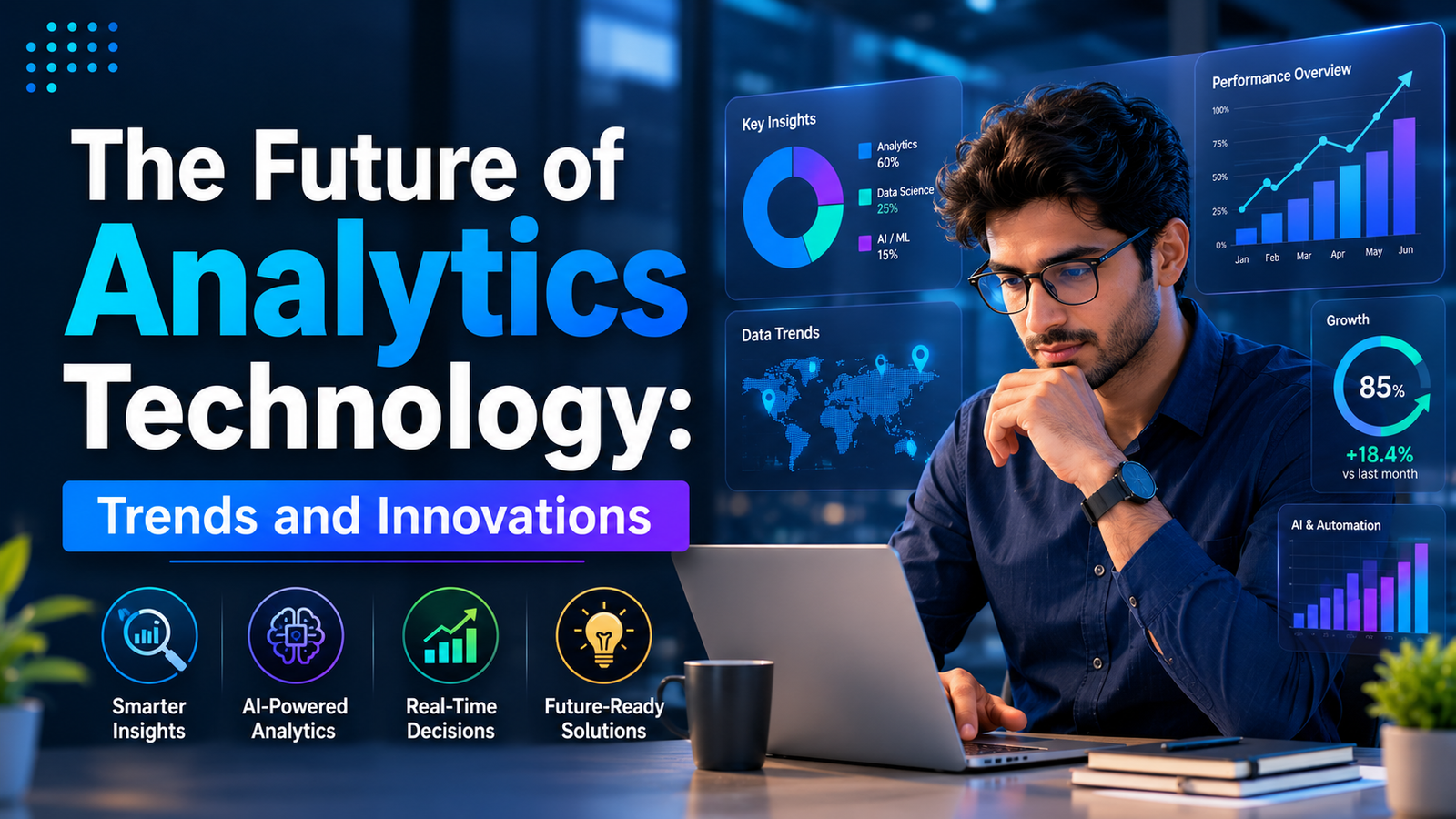
Introduction to Analytics Technology
Analytics technology has evolved to become an integral part of decision-making processes across various industries in today’s data-driven world. This development has given rise to a range of methodologies that harness data to provide insights, enhancing both operational efficiency and strategic foresight. At its core, analytics technology can be segmented into three primary types: descriptive, predictive, and prescriptive analytics.
Descriptive analytics focuses on interpreting historical data to discern patterns and trends. By employing techniques such as data mining and statistical analysis, organizations can gain crucial insights into past behaviors, which form the foundation for future strategies. On the other hand, predictive analytics goes a step further by utilizing historical data to forecast future outcomes. Utilizing advanced algorithms and modeling techniques, predictive analytics empowers organizations to anticipate market trends, customer preferences, and potential risks, thereby allowing for informed decision-making.
Finally, prescriptive analytics provides recommendations for actions that can help achieve desired outcomes. By combining the insights garnered from descriptive and predictive analytics, this form of analysis supplies actionable guidance, enabling organizations to optimize their operations and strategies comprehensively.
The evolution of analytics technology from traditional methods to advanced techniques is noteworthy. Historically, analysis was conducted manually, often leading to inefficiencies and limited insights. The advent of big data and sophisticated computing power has transformed the field, resulting in more complex analytics capabilities. In a rapidly changing business landscape, the role of analytics technology in facilitating timely and effective decision-making cannot be overstated. As industries across the globe increasingly rely on data to drive their strategies, the importance of embracing advanced analytics technologies will continue to grow.
Current Trends in Analytics Technology
As organizations continue to navigate a complex digital landscape, various trends in analytics technology are shaping the way data is utilized to achieve business objectives. One of the most prominent trends is the rise of real-time analytics. Organizations are increasingly prioritizing the capability to access and analyze data as it happens, allowing for immediate insights and informed decision-making. This shift from traditional batch processing to real-time analytics enables businesses to respond quickly to changing market dynamics and customer demands, significantly enhancing operational efficiency.
Another key trend is the integration of artificial intelligence (AI) and machine learning (ML) into analytics platforms. By leveraging advanced algorithms, organizations can gain deeper insights from their data, identify patterns, and make accurate predictions. AI-driven analytics helps in automating routine tasks, thus allowing analysts to focus on more complex inquiries. Moreover, the ability to self-learn from new data ensures that analytics tools stay relevant and effective in providing valuable insights over time.
Self-service analytics tools are also on the rise, empowering non-technical users to explore data and generate insights without heavy reliance on IT departments. These tools are designed with user-friendly interfaces that simplify the analytics process, enabling employees at all levels to make data-driven decisions. By democratizing access to data, organizations foster a culture of innovation and agility. This accessibility not only improves customer experiences through personalized offerings but also drives business growth by supporting more informed strategic initiatives.
In conclusion, the current trends in analytics technology are significantly reshaping the way organizations operate. The emphasis on real-time analytics, integration of AI and ML, and the adoption of self-service tools collectively enhance data accessibility, promote efficiency, and drive growth.
The Role of Artificial Intelligence in Analytics
Artificial intelligence (AI) is revolutionizing the field of analytics technology, enabling organizations to derive greater value from their data. The integration of AI methodologies into analytics processes is enhancing the ability to analyze datasets, streamline operations, and provide insightful reporting functionalities. Notably, two prominent AI techniques contributing to this transformation are natural language processing (NLP) and computer vision.
Natural language processing empowers analytics tools to understand and interpret human language. This capability allows users to interact with data using conversational interfaces, significantly reducing the barriers to accessing analytical insights. For example, organizations can implement NLP to generate meaningful reports simply by asking questions in everyday language. This not only democratizes access to analytics across various departments but also ensures that decision-makers can react swiftly to emerging trends and patterns. Moreover, the integration of NLP can refine customer sentiment analysis, as it enhances the capability to analyze feedback and reviews, thus providing a clearer lens on user experience and satisfaction.
On the other hand, computer vision utilizes AI to extract valuable information from images and videos. This technology has applications across various industries, including retail and manufacturing, where it can be used for quality inspection, inventory analysis, and surveillance. By integrating computer vision into analytics platforms, businesses can process visual data, allowing for a more comprehensive understanding of operational effectiveness. The automation of these processes not only improves accuracy but also increases the speed of data analysis, empowering companies to make informed decisions in real-time.
The infusion of AI into analytics is not merely a trend but a profound shift in how businesses leverage data. As organizations continue to embrace these technologies, the potential for enriched data insights and automated reporting functionalities will only expand, marking a new era in analytics technology.
Big Data and Its Impact on Analytics
In the contemporary digital landscape, big data has emerged as a pivotal element influencing analytics technology. Characterized by its vast volume, rapid velocity, and diverse variety, big data introduces complexities that traditional analytics methods often struggle to manage. As organizations accumulate data at unprecedented rates—from social media interactions to sensor outputs—the need for advanced analytics frameworks becomes increasingly essential.
The challenges presented by big data necessitate a shift in analytical approaches. Traditional methods, which may rely on sequential processing and smaller datasets, are no longer sufficient. This limitation has given rise to powerful analytics tools designed specifically for big data environments. Frameworks such as Apache Hadoop and Apache Spark stand out as significant players in this realm. They enable organizations to process and analyze massive datasets efficiently, thereby delivering quicker and more reliable insights.
Hadoop, with its distributed storage and processing model, allows businesses to store large amounts of data across clusters of computers. This capacity not only facilitates the handling of substantial datasets but also enhances fault tolerance and scalability. Moreover, Spark’s ability to process data in real-time further empowers organizations to gain immediate insights, revolutionizing decision-making processes. By utilizing these advanced technologies, companies can transition from reactive to proactive analytics, identifying trends and patterns as they emerge.
The integration of big data technologies into analytics underscores a transformative period in how organizations leverage data. As the landscape continues to evolve, companies must adapt their strategies, utilizing frameworks and tools adept at managing big data to remain competitive. This ongoing evolution of analytics technology will undoubtedly play a crucial role in shaping future business intelligence and operational efficiencies.
Cloud-Based Analytics Solutions
Cloud-based analytics solutions have emerged as a transformative approach for organizations seeking to optimize data handling and gain insight from vast datasets. Their increasing popularity stems from several core advantages, including enhanced scalability, cost efficiency, and improved collaboration opportunities. Unlike traditional on-premise systems, cloud analytics platforms allow businesses to scale their analytics capabilities according to their unique needs, facilitating the seamless adjustment of resources as data requirements evolve.
The scalability of cloud-based analytics enables organizations to handle fluctuating data volumes without the need for heavy investments in physical infrastructure. This flexibility not only supports growth but also allows enterprises to pivot quickly in response to market changes or emerging data opportunities. As a result, businesses can focus on data analysis rather than the complexities of hardware management.
Cost efficiency is another pivotal benefit of cloud-based solutions. By adopting these platforms, organizations can reduce capital expenditures related to maintaining on-premise servers and software. Instead, they can leverage a subscription-based payment model that aligns expenses more closely with actual usage, ensuring that costs are proportionate to the value gained from data insights. This financial model is particularly advantageous for small and medium-sized enterprises, which may have limited budgets for extensive data infrastructure.
Furthermore, cloud analytics solutions foster collaboration among teams across various locations. With web-based access, stakeholders can work together on data analysis in real-time, breaking down silos that often hinder effective decision-making. Popular platforms such as Google Cloud Analytics, Amazon Redshift, and Microsoft Azure offer powerful tools and resources tailored for diverse business needs, making it easier than ever for organizations to store, process, and analyze data in a collaborative environment. Overall, cloud-based analytics is proving to be an indispensable asset for companies striving to harness the full potential of their data.
Data Privacy and Ethics in Analytics
The increasing adoption of analytics technology has underscored the importance of data privacy and ethics within the field. As organizations seek to leverage data for insights, it is crucial to navigate the complexities of legal and ethical considerations. Key regulations such as the General Data Protection Regulation (GDPR) and the California Consumer Privacy Act (CCPA) have established frameworks to protect consumer data and ensure responsible handling. These regulations emphasize the necessity of obtaining explicit consent from consumers when collecting, processing, and storing their personal information.
To maintain compliance with these regulations and mitigate risks, organizations must adopt best practices for ethical data handling. This includes implementing robust data governance frameworks that cover data lifecycle management, access controls, and data encryption. By investing in data management technologies and processes, companies can enhance their ability to secure sensitive information and reduce the likelihood of data breaches. Additionally, organizations should prioritize conducting regular data privacy audits to assess adherence to established policies and identify opportunities for improvement.
Transparency plays a vital role in building trust with consumers regarding data usage. Companies should clearly communicate their data collection practices, including the types of data collected, the intended use of the data, and how consumers can opt out or modify their preferences. Providing easy-to-understand privacy policies and dashboards for user control empowers consumers and fosters a sense of security. Furthermore, organizations should engage in ethical data analysis, ensuring that algorithms used for predictive analytics do not perpetuate biases or discriminate against certain groups.
Ultimately, prioritizing data privacy and ethics in analytics must be a core component of any organization’s strategy. By adhering to regulations, best practices, and maintaining transparency, businesses can build lasting trust with consumers while harnessing the power of analytics technology to drive innovation and insights.
Challenges Facing Analytics Technology
As organizations increasingly rely on analytics technology to drive decision-making processes, they encounter a myriad of challenges that can hinder successful implementation. One of the most significant issues is the existence of data silos. These occur when departments within an organization maintain isolated databases, impeding the flow of information. As a result, insights derived from analytics may be incomplete or skewed since they depend on a consolidated view of data. A strategic approach to overcoming data silos includes fostering a culture of collaboration among departments and investing in integrated data management solutions that facilitate seamless data sharing.
Another prevalent hurdle is the shortage of skilled professionals proficient in analytics technologies. The demand for data scientists, analysts, and engineers continues to outpace supply, leading to a workforce gap that many organizations struggle to fill. To address this skill shortage, organizations can invest in training programs for current employees, establish partnerships with educational institutions, and develop internship programs to cultivate talent from the ground up. Additionally, leveraging user-friendly analytics tools can empower non-technical staff to engage with data, thus broadening the scope of personnel qualified to utilize analytics technology.
Resistance to change is an obstacle that often accompanies the adoption of new technologies, including analytics. Employees may be hesitant to embrace new workflows or technologies due to concerns about job security or the learning curve associated with new systems. To mitigate this resistance, organizations should communicate the benefits of analytics technology clearly, including how it enhances productivity and decision-making. Change management strategies, such as offering comprehensive support and incentives for adopting these technologies, can also help in easing the transition and ensuring a smoother implementation process.
Future Innovations in Analytics Technology
The domain of analytics technology is poised for transformative innovations that promise to reshape the landscape of data analysis and decision-making. Among the most anticipated advancements is the integration of quantum computing into analytics processes. This revolutionary technology leverages the principles of quantum mechanics to perform complex calculations at unprecedented speeds. As organizations grapple with ever-growing volumes of data, quantum computing can potentially unlock insights that traditional systems are incapable of processing efficiently, thereby significantly accelerating the analytical capabilities of businesses.
Moreover, the evolution of predictive and prescriptive analytics is expected to gain momentum. Predictive analytics, which focuses on forecasting future outcomes based on historical data, will become increasingly sophisticated through the incorporation of machine learning algorithms. These algorithms will enhance the precision of predictions by identifying complex patterns unseen to the human eye. In parallel, prescriptive analytics will advance, empowering organizations to not only anticipate future events but also suggest actionable strategies to optimize outcomes. This dual advancement in analytics capabilities holds the promise of more informed and agile decision-making.
Furthermore, the rise of augmented analytics is indicative of a significant shift towards democratizing data analysis. By combining artificial intelligence with analytics, augmented analytics simplifies the data preparation and insights generation process for users who may lack extensive technical expertise. This trend heralds a future where data-driven decision-making becomes accessible to all levels of an organization, fostering a culture of continuous improvement and innovation. As augmented analytics tools evolve, they will empower stakeholders to make swift and informed decisions based on real-time data analysis.
In summary, the future of analytics technology is ripe with potential innovations that could redefine operational efficiencies and strategic frameworks across industries. As quantum computing, advanced predictive capabilities, and augmented analytics gain traction, they will reshape the way organizations perceive and utilize data.
Conclusion: The Path Forward for Analytics Technology
The landscape of analytics technology is evolving rapidly, presenting organizations with transformative opportunities to enhance their operational effectiveness and decision-making capabilities. As discussed, the integration of advanced analytics, artificial intelligence, and machine learning has shifted from a competitive advantage to a necessity for businesses striving to thrive in an information-driven environment. Analytics technology is not merely a tool but a strategic asset that enables companies to derive meaningful insights from data, ultimately guiding their future initiatives.
One of the most significant trends is the increasing reliance on real-time analytics, which empowers organizations to make swift decisions based on the latest data insights. By adopting real-time analytics, businesses can anticipate market trends, improve customer experiences, and optimize resource allocation more effectively, ensuring they remain nimble in their strategic pursuits. Moreover, the importance of data visualization can’t be overstated. Well-designed visual interfaces simplify complex data sets, making them accessible to decision-makers at all levels and enhancing the overall comprehension of insights.”
As organizations navigate this landscape, the importance of fostering a data-driven culture becomes paramount. This involves not just investing in analytics technologies, but also equipping staff with the necessary skills to leverage these tools effectively. By prioritizing training and interdisciplinary collaboration, companies can unlock the full potential of their analytics initiatives.
Moving forward, it is essential for organizations to embrace these innovations in analytics technology, as they hold the key to driving growth and remaining competitive in an increasingly data-centric world. By recognizing the strategic value of analytics, companies can enhance their decision-making processes, foster innovation, and ultimately position themselves for long-term success. In conclusion, analytics technology will continue to redefine business paradigms, and organizations that invest in these advances will likely outperform peers in the evolving marketplace.